By Anthony Nwachukwu
Toward addressing community challenges, developmental priorities and creating opportunities for inclusive governance and sustainable development, the Blue Lagos Sustainability Initiative, in collaboration with the New Generation Directorate, hosted the Lagos Riverine Community Youth Leaders Dialogue.
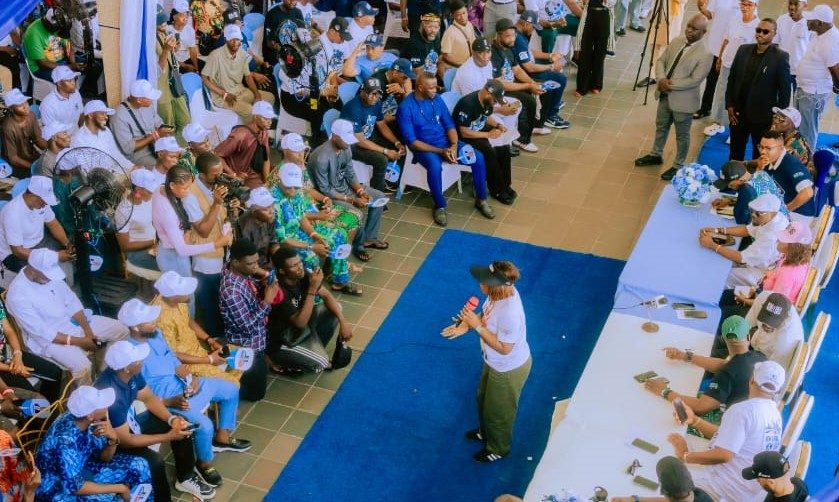
At the dialogue, held at the Badore Ferry Terminal, Ajah, were 250 young people from 125 riverine and coastal communities across the state.
It was organised to strengthen engagement between young people and government stakeholders, providing a strategic platform for youth leaders to articulate their concerns, share community-specific challenges, and contribute recommendations towards addressing developmental gaps affecting their respective communities.
The engagement also reaffirmed the importance of ensuring that young people from underserved and hard-to-reach riverine communities are not excluded from governance conversations, policy development, and decisions that affect their welfare and future.
Addressing the gathering, the host and Special Adviser to the Governor of Lagos State on Blue Economy, Mr Oluwadamilola Emmanuel, emphasised the importance of engaging young people as critical stakeholders in governance, particularly in advancing the development of the state’s coastal and riverine communities.
He highlighted the need to establish effective communication channels between government and grassroots communities, noting that meaningful development requires listening to the people, understanding their needs, and incorporating their perspectives into planning and implementation.
During the interactive session, the riverine youth leaders highlighted priority areas requiring government intervention, including challenges relating to education, healthcare, employment, environmental sustainability, transportation, infrastructure, youth empowerment, and access to essential social services.
They also highlighted the need to improve access to government programmes and develop interventions that respond directly to the needs of riverine and coastal residents.
Their submissions reflected the realities of living in underserved and hard-to-reach settlements, where geographical barriers and limited access to essential services continue to affect residents’ quality of life and development opportunities.
Acknowledging the concerns raised, Emmanuel assured that their requests and recommendations would be presented to the appropriate government authorities for consideration and necessary action.
In her goodwill message, the Lagos Deputy Governorship Candidate of the All Progressives Congress and Director of the New Generation Directorate, Damilola Sonayon James, urged young people across the state’s riverine and coastal communities to take active interest in governance and participate meaningfully in the political and developmental processes shaping their future.
She emphasised that young people should not limit their involvement in governance to expressing concerns or criticising government policies but should also take advantage of available opportunities to contribute ideas, engage constructively with leaders, and participate in decision-making processes at the grassroots and state levels.
According to her, youth participation is essential to building responsive leadership and inclusive communities, as young people possess the energy, creativity, innovation, and grassroots understanding required to drive meaningful development.
James further underscored the importance of youth leadership and representation, urging young people to see themselves not merely as beneficiaries of government programmes but also as active contributors to governance, community development, and the future of the state.
The dialogue also featured engagement with the Commissioner for Youth and Social Development, Mr Mobolaji Ogunlende, whose participation provided an opportunity to engage with youth representatives on issues affecting their communities and explore pathways towards improved service delivery, youth development, and inclusive growth.
Key discussions centred on youth empowerment, employment and livelihood opportunities, education, healthcare, environmental protection, infrastructure, community welfare, and the need to address the unique geographical and socio-economic challenges facing riverine and coastal settlements.
For the Blue Lagos Sustainability Initiative, the dialogue represented another step toward strengthening grassroots participation, promoting inclusive governance, and ensuring that the voices of underserved riverine and coastal communities are heard in conversations that shape their future.